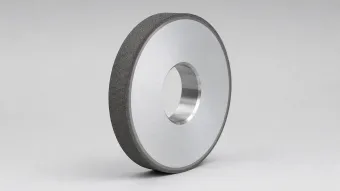
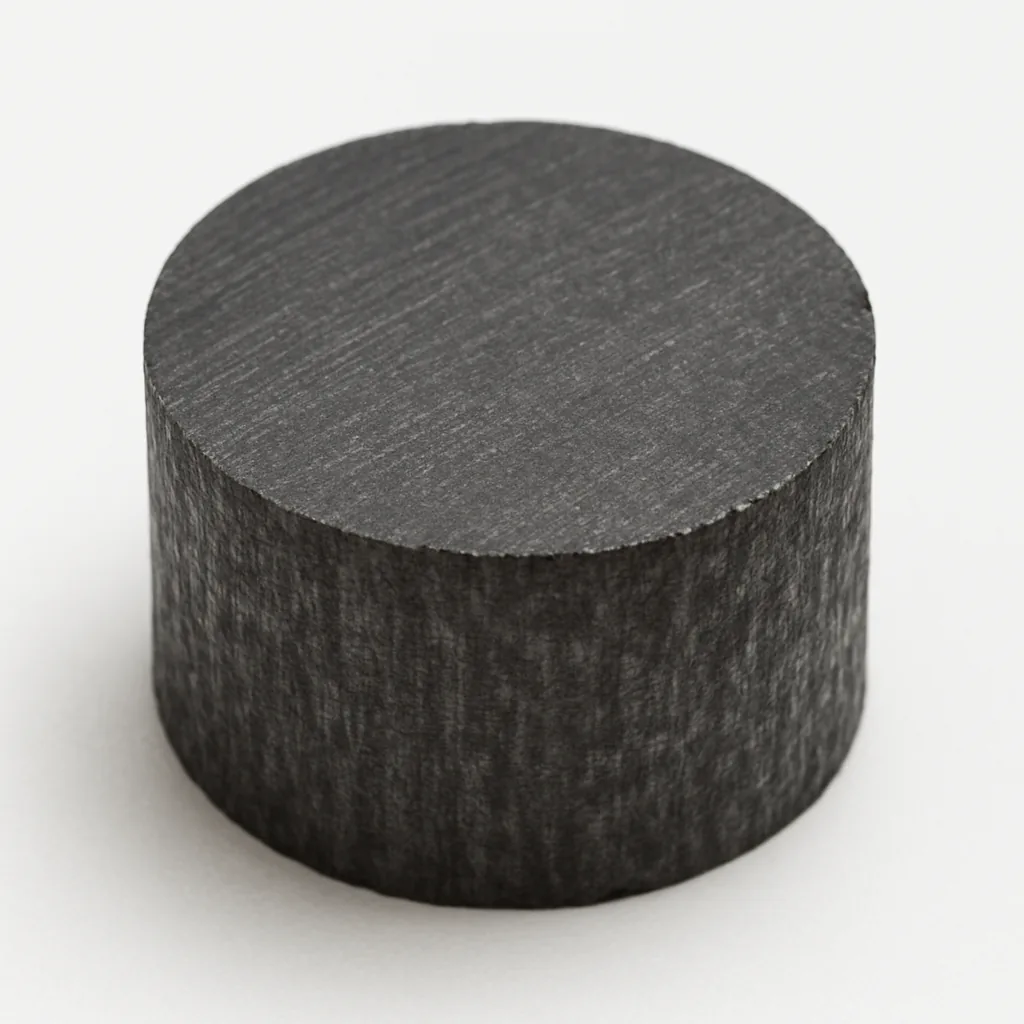
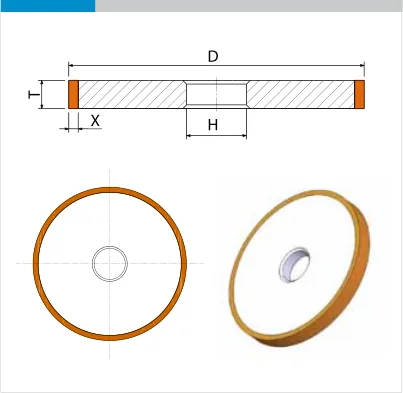
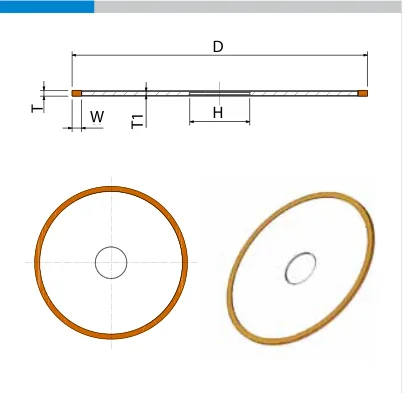
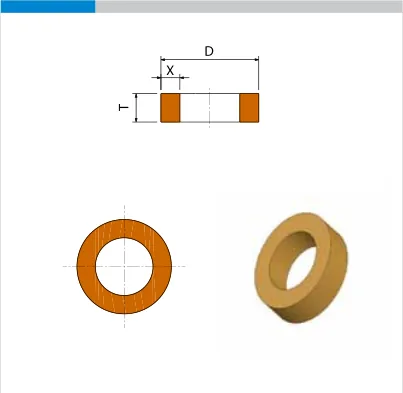
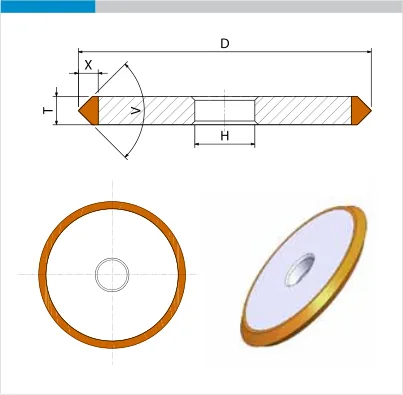
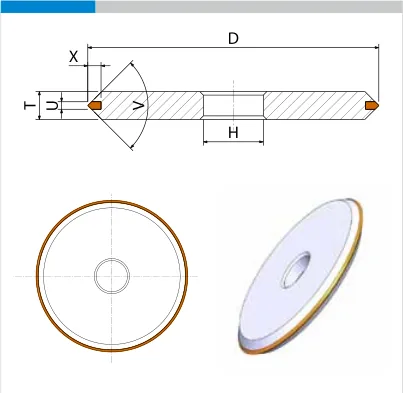
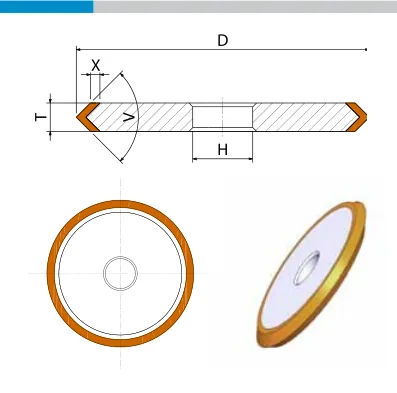
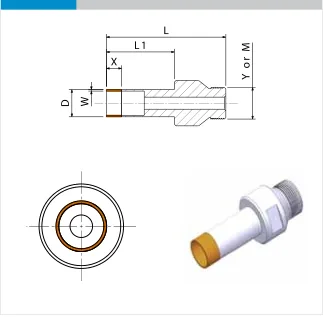
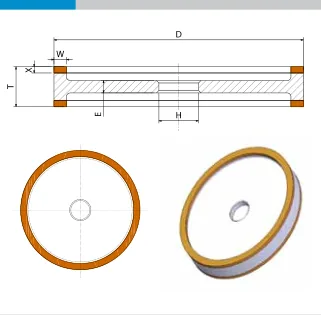
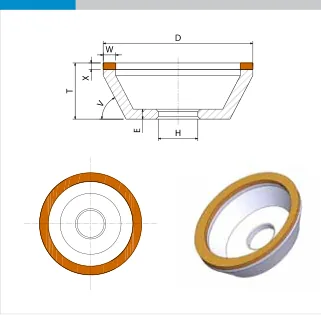
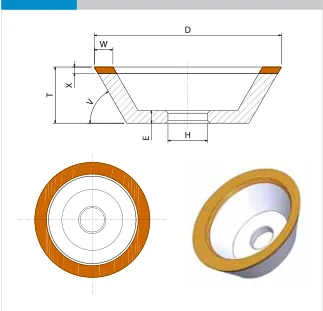
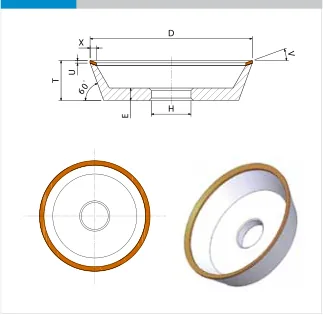
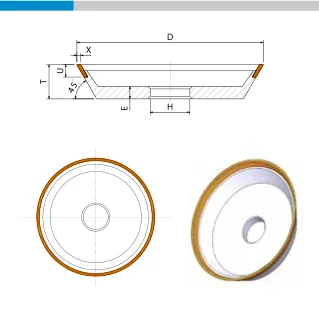
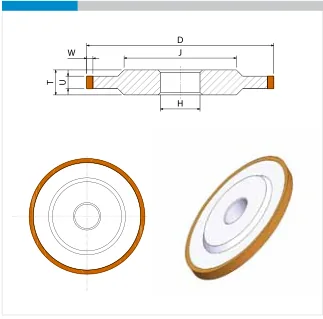
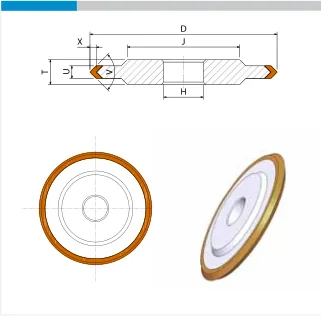
Resin bond
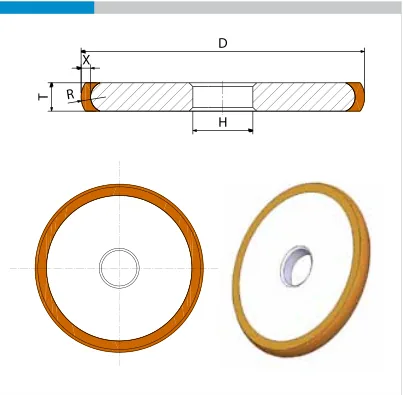
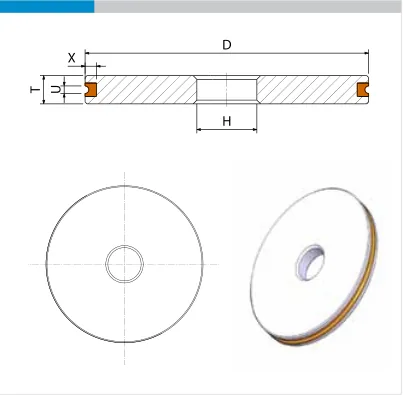
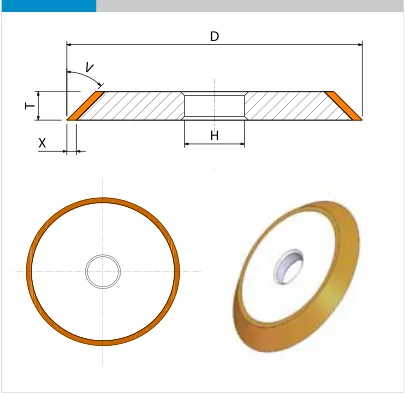
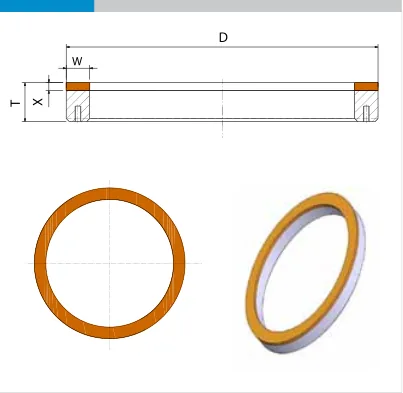
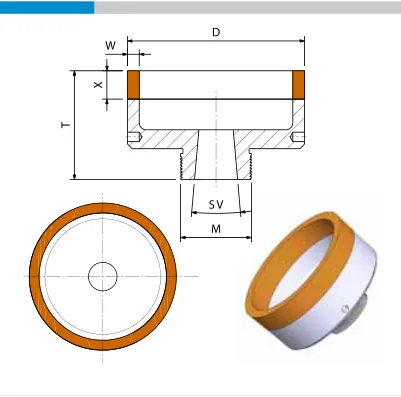
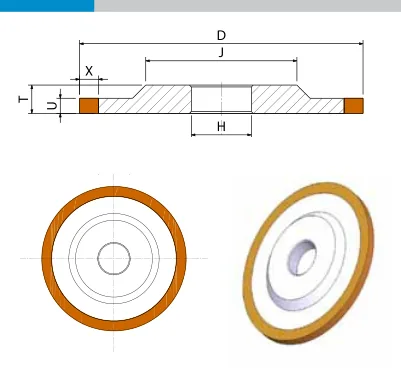
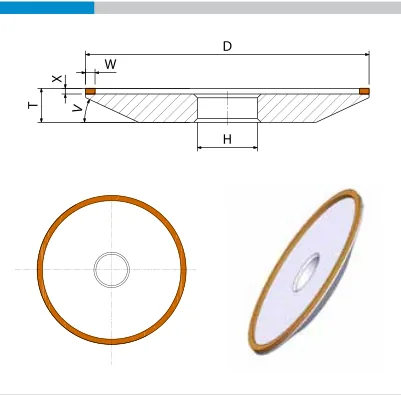
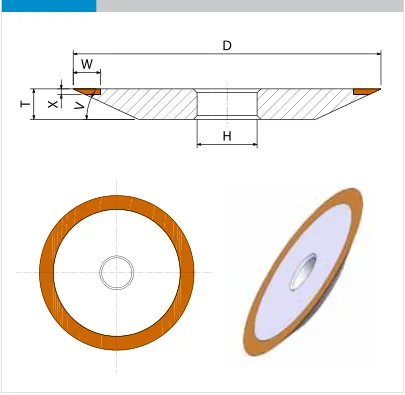
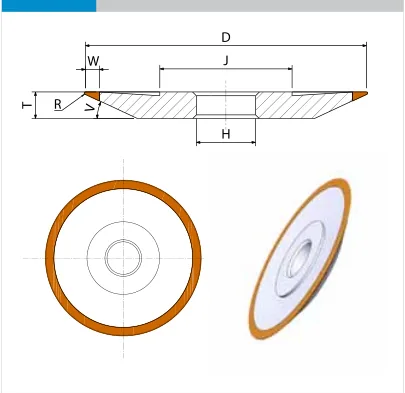
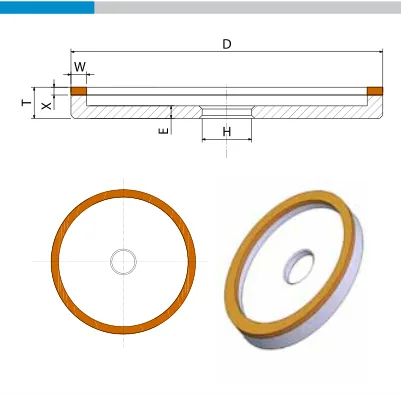
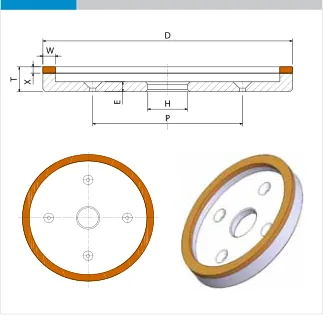
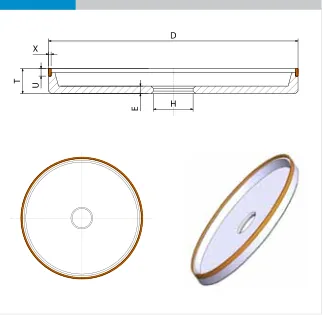
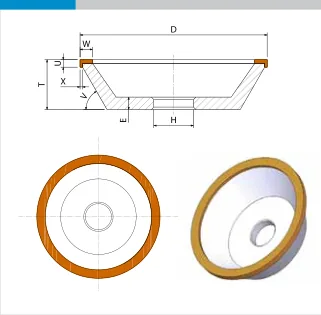
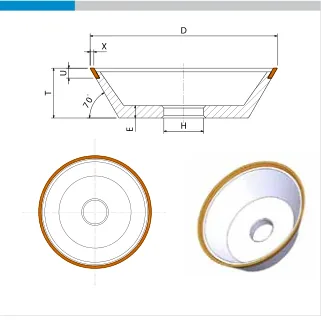
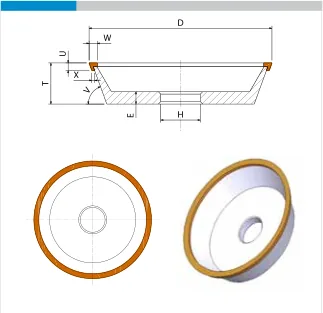
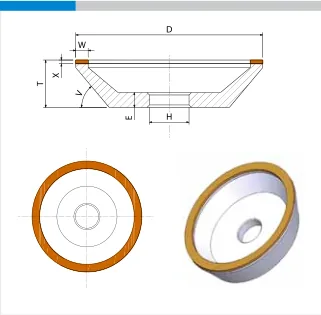
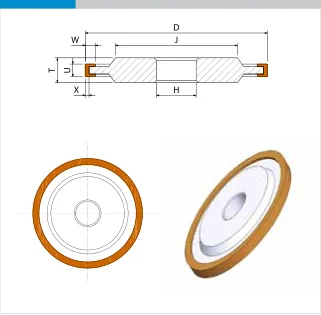
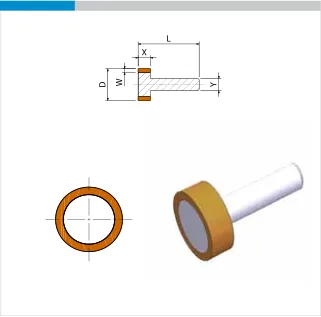
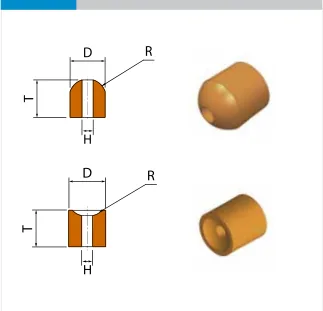
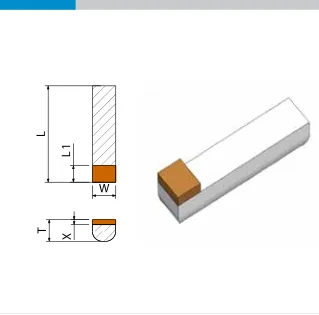
EHWA range: BA, BB, BC, BCT, BD, BE, BG, BH, BP, BQ, PAE, PA8
Composition: phenolic resins or polyimide bonds + abrasive grain
Benefits and properties: very high cutting performance, low grinding forces, flexible bond absorbs vibration well, very cost-effective, dressing possible only in exceptional cases
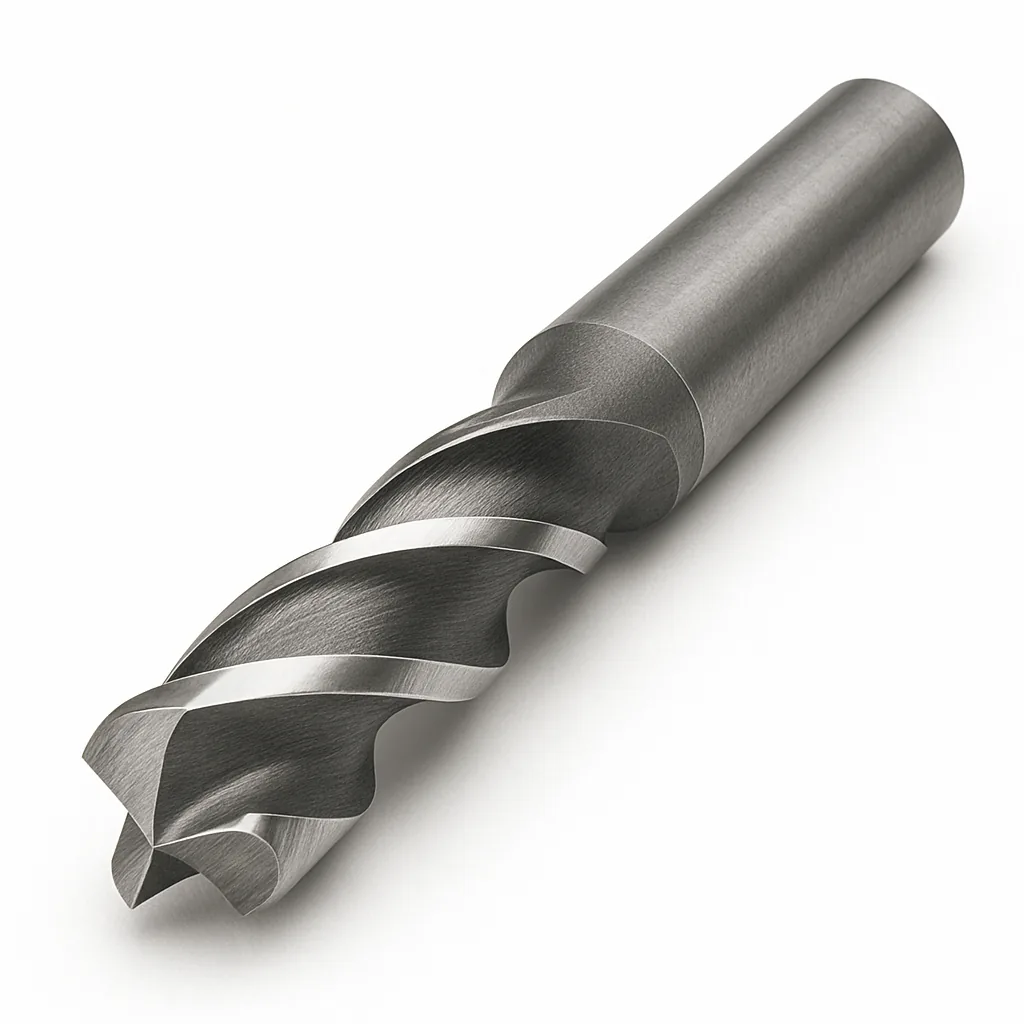
Application areas: tool grinding – high-speed steel, carbide
Ceramic bond
EHWA range: VB, VBT, VBTM, VE, VA, VD, VCL, VH
Composition: sintering process
Benefits and properties: excellent dressability (brittle bond, use rotating dressing rollers where possible), high form stability, high wear resistance, open or closed structure possible
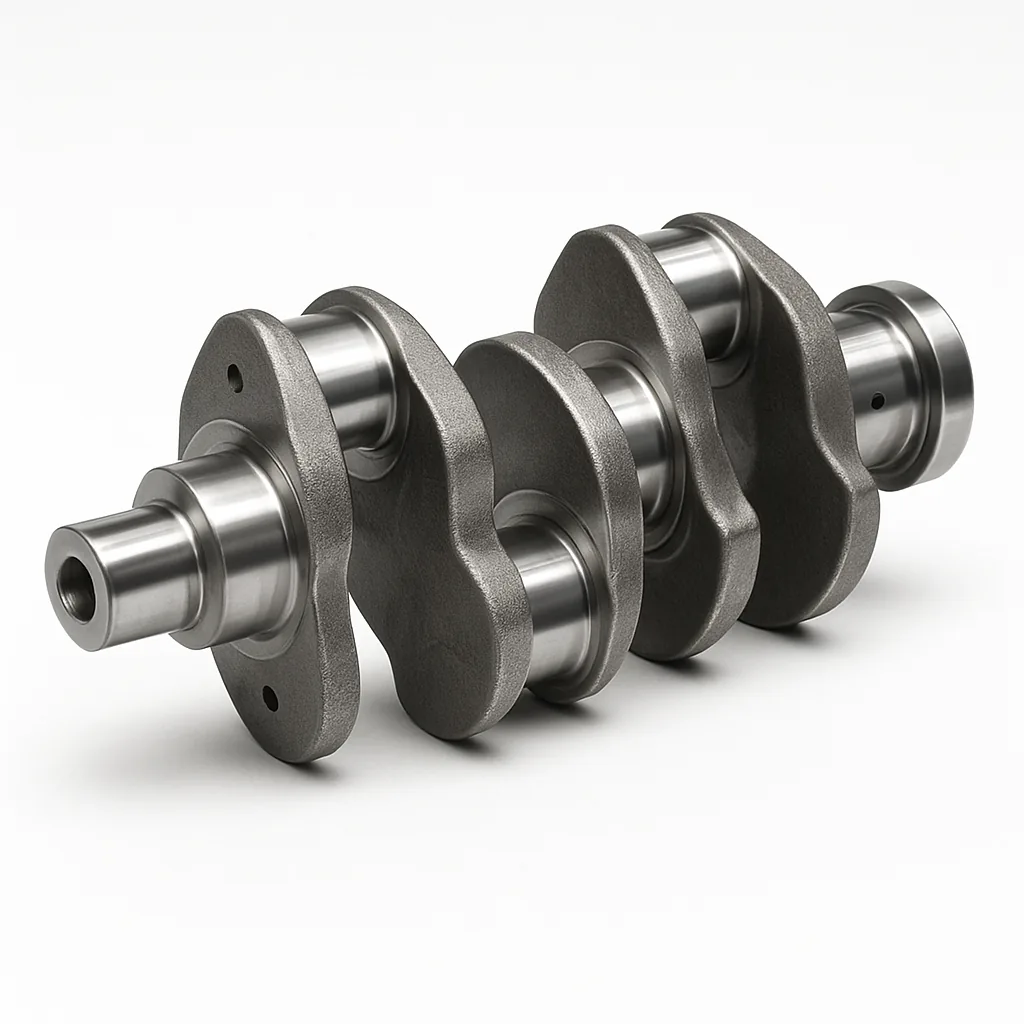
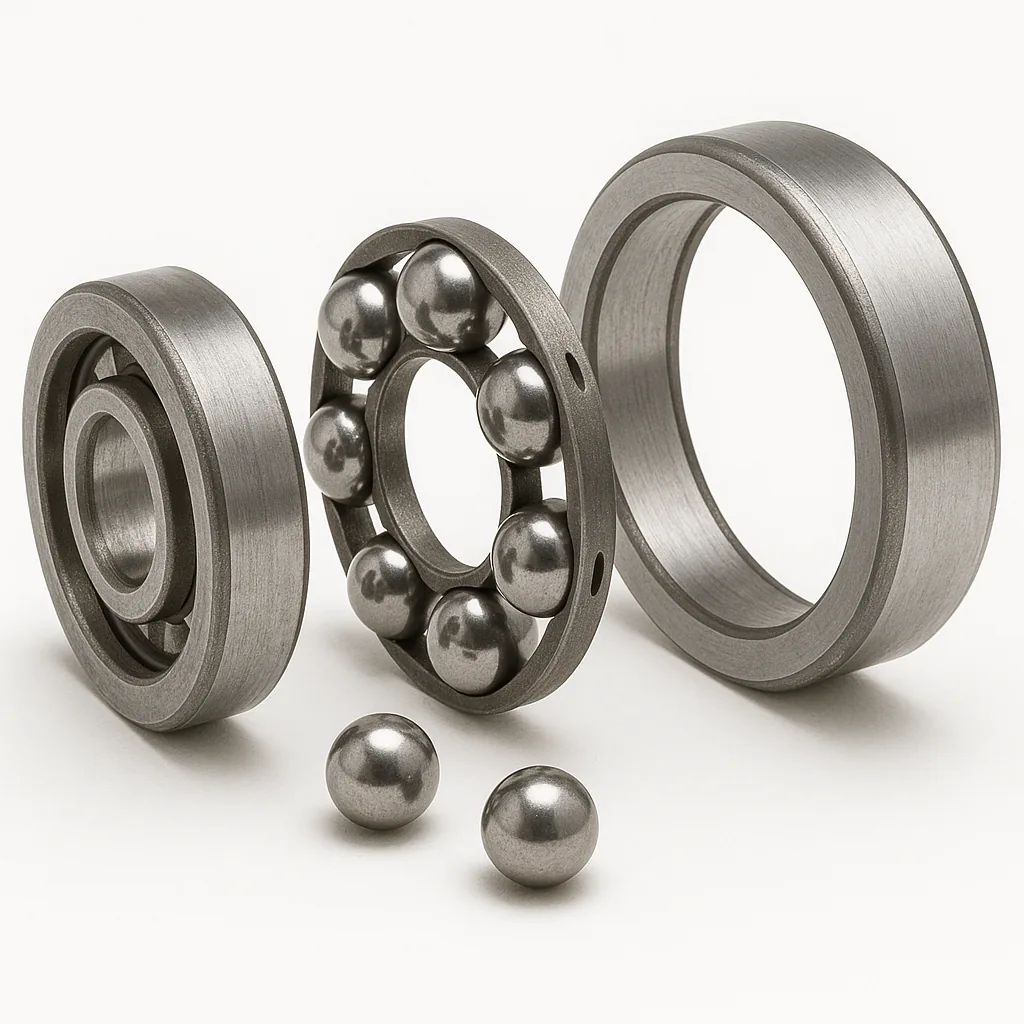
Application areas: tool grinding – carbide, PCD, PCBN · bearing grinding – high-alloy steel grades · crankshaft grinding – high-alloy steel grades
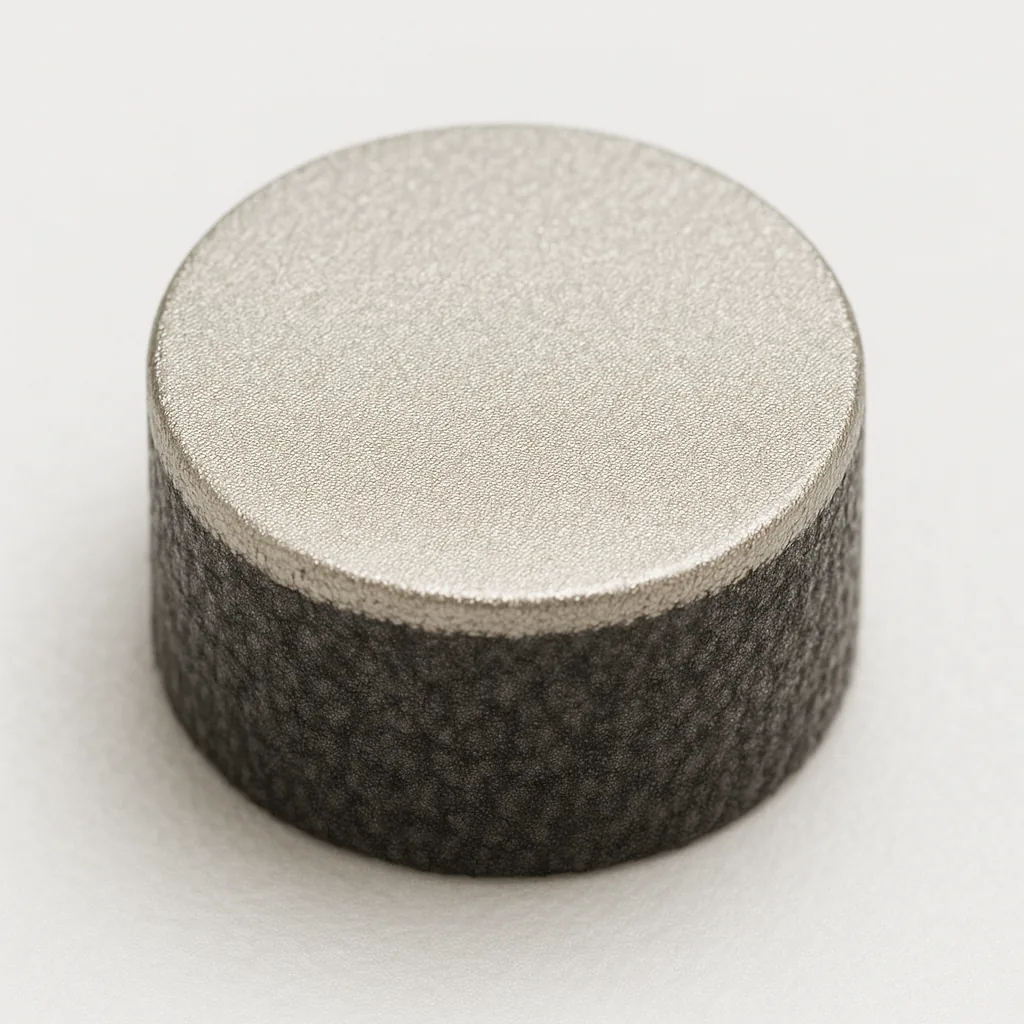
Metal bond
EHWA range: MB, MC, MA, MF, MFS, MP, ME, MG, MX
Composition: sintering process (metal powder, mostly bronze-based, + abrasive grain)
Benefits and properties: high form stability, very high thermal conductivity, very high wear resistance, dressed via EDM
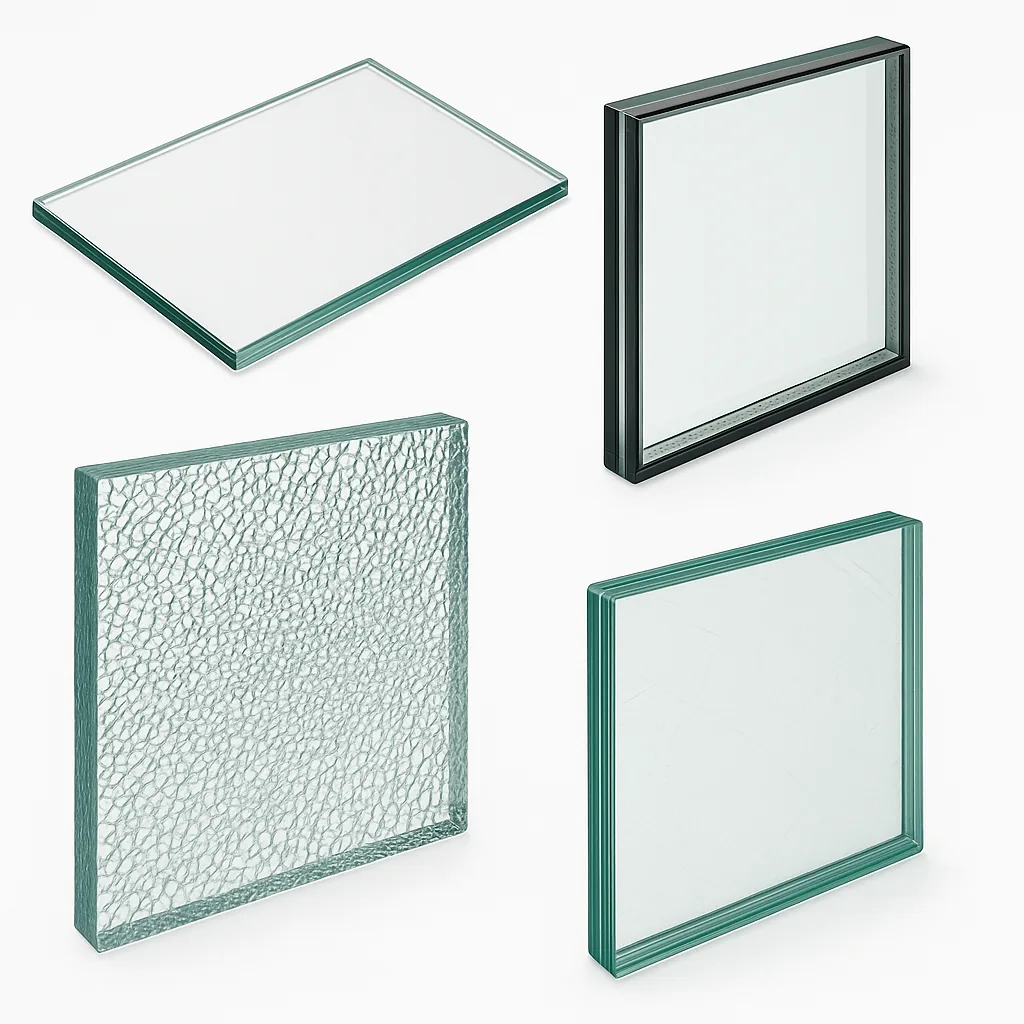
Application areas: edge grinding – glass types · profile grinding – glass and quartz · cutting – glass, ceramics, and stone · face grinding – optical lenses
Hybrid bond
EHWA range: BX, BXT, BXC, BMX
Composition: metal + resin
Benefits and properties: easier to dress than resin or metal bond, high removal rate, high edge stability, self-sharpening effect possible
Application areas: tool grinding – high-speed steel, carbide grades
Electroplated bond
Composition: nickel + abrasive grain, single-layer or multi-layer possible
Benefits and properties: recoating possible, complex profiles possible, high grinding performance, high tool life, not dressable
Application areas: bearing grinding – high-alloy steel grades · materials: nickel-based superalloys, non-ferrous metals, glass